
Casteism in India
A Deep Crisis Shaping Society, Politics, and Equality
Part 1 of 2

Travel Advisory
Personal guide services at quite reasonable rates. Check out India Travel Buddy
Wherever you journey you will get the most from the experience by enjoying the local food and drink. Everything tastes better when you are happy and relaxed. Read more at Taste the Place, Greek Island Wine
Also we have a villa to rent in Aliki, Paros that includes olive oil and vegetables grown on the premises. Greek island villas

Recent Events
We try to keep up with interesting events in our three blogs:
2025 Updates: India Guide
Casteism in India is not just a
social issue it is a powerful system that has shaped
identities, opportunities, and human dignity for centuries.
While India stands today as one of the world’s
fastest-growing economies and largest democracies, the
shadow of caste-based discrimination still influences
millions of lives.
For global readers, understanding casteism
is essential to understanding India itself. It is often
compared to racial discrimination in Western countries—but
its depth, history, and everyday influence make it uniquely
complex and, in many ways, more deeply embedded in society.
What is Casteism?
A Birth-Based Identity That
Defines Life
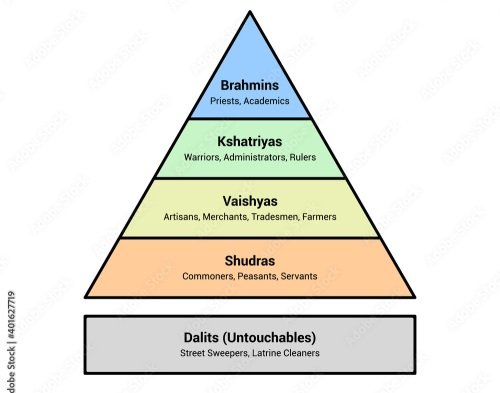
Casteism is a system where a person’s
social status is determined by birth, not by ability or
achievement. Unlike class systems that allow mobility, caste
is rigid and hereditary you are born into it, and
traditionally, you remain in it for life.
This system historically divided society
into hierarchical groups, with some enjoying privilege and
others facing exclusion and discrimination. Even today,
caste identity can silently shape:
•Where they live
•What
opportunities they receive
It is not always visible—but it is often
deeply felt.
•The
Social Impact of Casteism
•Invisible Walls That Divide Society
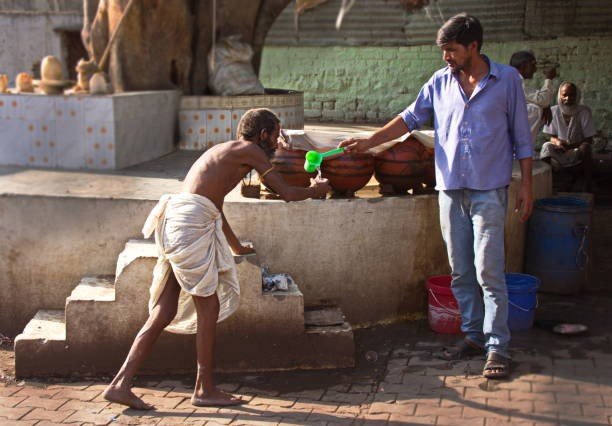
Casteism creates divisions that are not
always written in law but exist in everyday life. In many
communities:
•People still prefer to marry within
their caste
•Social circles remain restricted,
Entire neighborhoods are informally
segregated
Economic Consequences
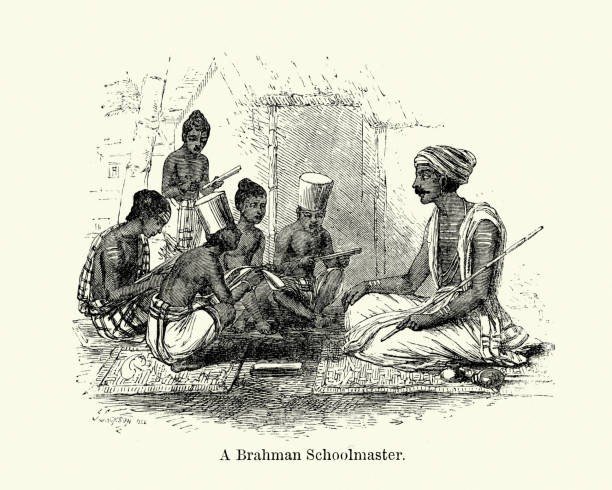
Casteism is not just a social issue—it
is an economic barrier. Generations of discrimination have
resulted in:
•Unequal access to education
•Limited job opportunities
•Lower wages for marginalized communities
When a large portion of the population
is denied equal opportunity, the entire nation suffers.
Talent is lost, innovation slows, and inequality deepens.
Education and the Struggle for Equality
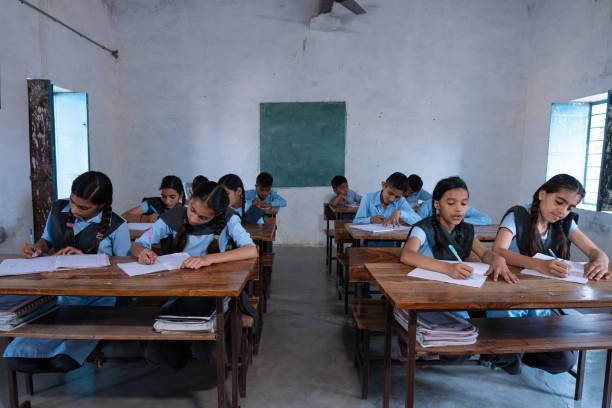
The Unequal Starting Line
•Marginalized groups face challenges in
accessing quality education
•Social discrimination can exist within
schools and universities
•Dropout rates are higher among
disadvantaged communities
Although affirmative action policies
(reservations) aim to correct these imbalances, the reality
is that the starting line is still not equal for everyone.
Caste-Based
Violence -- When Identity Becomes a Threat
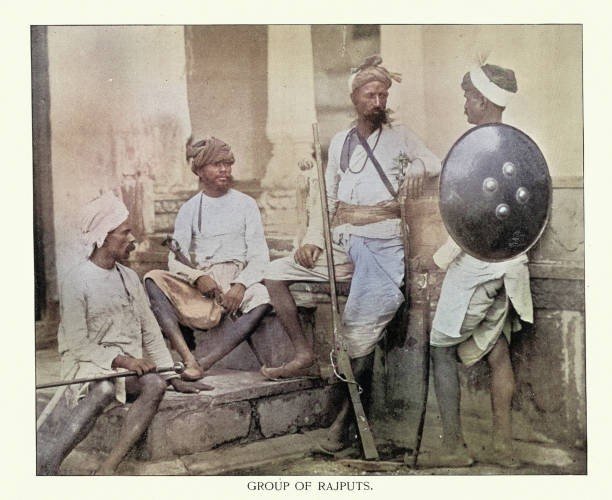
One of the most disturbing aspects of
casteism is the violence associated with it. Across India,
cases still emerge involving:
•Social boycotts of marginalized
communities
•Physical violence and humiliation
Part 2 of 2 in this series on casteism in India today covers Indian politics and what can be done to break this system that divides the nation.
You can make a $25 loan to Asia's working poor:

More India



Heading 1
This is an example of the content for a specific image in the Nivo slider. Lorem ipsum not available so I'll just type a bunch of stuff....
Heading 2
This is an example of the content for a specific image in the Nivo slider. Lorem ipsum not available so I'll just type a bunch of stuff....
Heading 3
This is an example of the content for a specific image in the Nivo slider. Lorem ipsum not available so I'll just type a bunch of stuff....
Heading 4
This is an example of the content for a specific image in the Nivo slider. Lorem ipsum not available so I'll just type a bunch of stuff....

Our experience will enhance your experience!







Let's Get Social!
Follow us on Twitter or become our Facebook friend.


See our Privacy Policy on the Privacy page.
Copyright 2011 to 2026 by Michael Shepherd. All Rights Reserved.